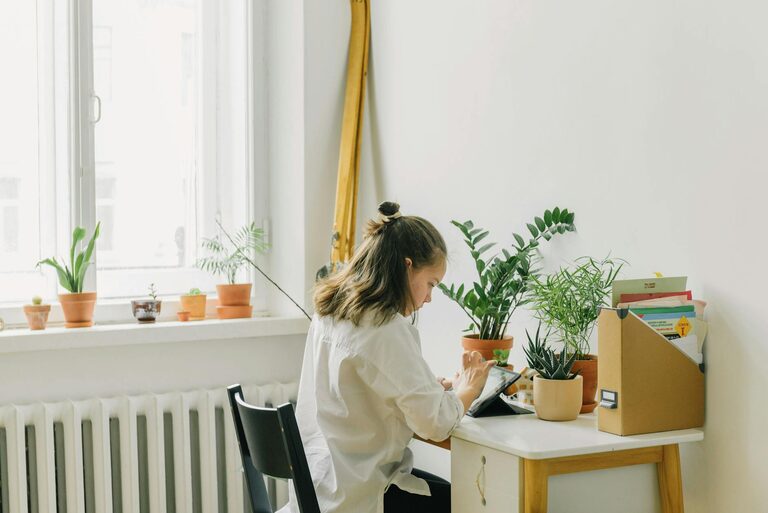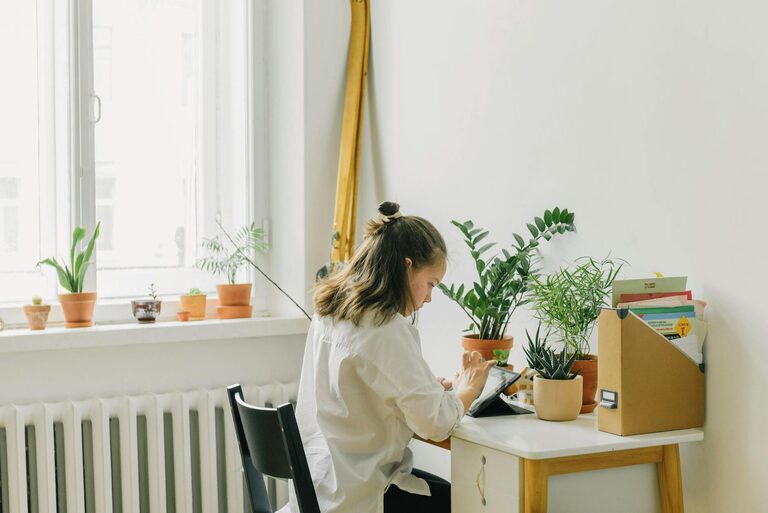
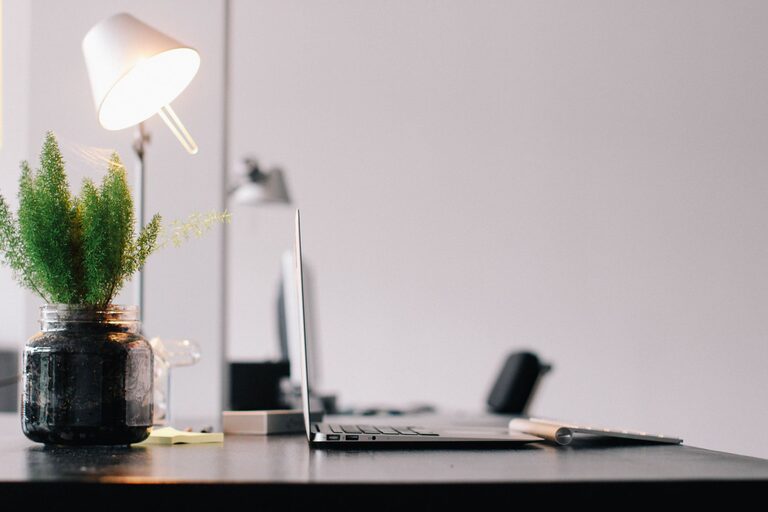
Working from home has become a regular part of many people’s lives. Having a well-designed home office can significantly impact how productive and comfortable you feel throughout your workday. Whether you’re freelancing, working remotely for a company, or running your own business from home, creating a space dedicated to your tasks can help improve focus and reduce distractions.
Here are some helpful tips to set up a productive home office environment.
Choose the Right Location
Selecting the ideal spot in your home to work is the foundation of productivity.
– Quietness Matters
Pick a space away from loud household activities, such as the kitchen or living room, especially if others are around during your working hours.
– Natural Light
A place near a window with plenty of daylight can reduce eye strain and boost your mood.
– Space to Spread Out
Choose a spot where you can comfortably fit your desk, chair, and necessary equipment without feeling cramped.
If a separate room isn’t available, try to create a defined workspace with room dividers or screens to separate your work area from your living spaces.
Invest in Ergonomic Furniture
Comfort during work is crucial for both productivity and health.
– Ergonomic Chair
A chair that supports good posture reduces back pain and helps maintain focus.
– Desk Height
Your desk should allow your forearms to be roughly parallel to the floor when typing.
– Monitor Position
The top of your screen should be at or slightly below eye level to avoid neck strain.
If you can, consider a sit-stand desk or an adjustable setup that lets you change positions during the day for better circulation.
Keep Your Space Organised
A clutter-free environment can help clear your mind and improve efficiency.
– Declutter Regularly
Remove unnecessary items from your desk and file away documents systematically.
– Storage Solutions
Use shelves, drawers, or organisers to keep supplies within easy reach but out of the way.
– Cable Management
Tangled cords can be distracting and hazardous; use clips, sleeves, or boxes to keep cables tidy.
Use Effective Lighting
Proper lighting reduces fatigue and enhances concentration.
– Task Lighting
A desk lamp with adjustable brightness can help reduce shadows and provide direct light when needed.
– Avoid Screen Glare
Position your monitor to minimise reflections from windows or overhead lights.
– Balanced Lighting
Combining natural and artificial light sources helps maintain consistent brightness throughout your workspace.
Minimise Distractions
Keeping your attention on work tasks is essential for productivity.
– Set Boundaries
Communicate with family or housemates about your work hours and the importance of not being disturbed.
– Limit Phone and Social Media Use
Consider apps or settings that restrict notifications during work periods.
– Use Headphones
Listening to calming music or white noise can help block out background noise.
Personalise Your Workspace
Creating a space that feels pleasant can motivate you to stay productive.
– Add Plants
Indoor plants can improve air quality and add a lively touch to your office.
– Display Inspiring Items
Photos, artwork, or motivational quotes can boost mood and creativity.
– Comfort Items
A cosy blanket, a favourite mug, or even a small heater or fan can make your space more inviting.
Establish a Routine
Your environment can support your work habits if paired with a consistent schedule.
– Regular Hours
Start and finish work at the same time daily to create structure.
– Break Times
Schedule short breaks to stretch, hydrate, or rest your eyes.
– Morning and Evening Rituals
Prepare for the day with a brief review of tasks and wind down at the end to signal the end of work time.
Utilise Technology Wisely
The right tools can enhance your workflow.
– Reliable Internet
Ensure you have a fast and stable connection to avoid interruptions.
– Communication Apps
Keep in touch with colleagues and clients through video calls and chat applications.
– Productivity Software
Use calendars, task managers, and notes apps to organise and prioritise work.
—
Creating a productive home office environment takes some planning and adjustment. By selecting the right space, investing in comfort, staying organised, reducing distractions, and supporting good routines, you can build a work area that promotes focus and efficiency. Remember that small changes can make a big difference, so take your time to tailor your home office to suit your needs and preferences.