Creating a relaxing home environment is essential for reducing stress and improving your overall well-being. Our home should be a place where we can unwind, recharge, and feel completely at ease. Fortunately, making your space more calming doesn’t require a full renovation or expensive purchases. Small, thoughtful changes can transform your home into a sanctuary of peace.
In this article, we’ll explore simple tips to help you create a tranquil atmosphere that invites relaxation and comfort.
Declutter to Destress
One of the easiest ways to make your home feel more relaxing is to reduce clutter. A tidy and organised space naturally feels calmer and easier to navigate.
– Clear surfaces: Keep tables, counters, and shelves free from unnecessary items.
– Use storage solutions: Baskets, boxes, and shelves help store belongings neatly out of sight.
– Regularly tidy: Spend a few minutes each day putting things back in their place to maintain order.
Removing clutter not only visually soothes but also mentally frees up your space, helping you to feel less overwhelmed.
Choose Calming Colours
Colours have a strong impact on mood. Opting for soothing shades can help foster relaxation.
– Soft neutrals: Pale greys, creams, and soft beiges create a warm, inviting backdrop.
– Muted blues and greens: These hues are known for their calming effects and connection to nature.
– Limit bright colours: Reserve bold tones for small accents to avoid overstimulation.
Painting walls, selecting furniture, or adding accessories in these colours can gently influence the atmosphere.
Focus on Comfortable Furnishings
Comfortable furniture encourages you to slow down and relax.
– Invest in good seating: Choose chairs and sofas that support your body well.
– Add cushions and throws: Soft textiles enhance comfort and add a cosy feel.
– Create a dedicated chill-out zone: Arrange a cosy corner with a comfortable chair, blanket, and good lighting.
A comfortable space invites you to rest and enjoy downtime more fully.
Use Soft Lighting
Lighting plays a crucial role in setting a relaxing mood.
– Opt for warm tones: Warm white lights are softer and less harsh than cool tones.
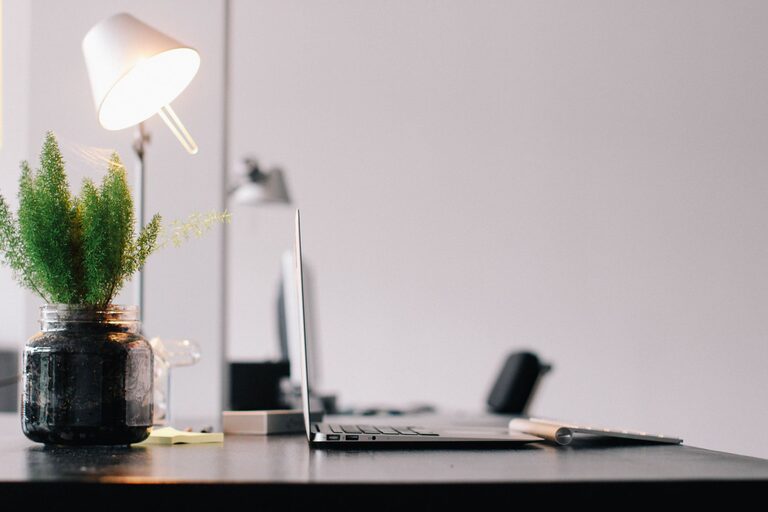
– Use lamps instead of overhead lights: Table and floor lamps create a more intimate atmosphere.
– Incorporate dimmers: Adjust light levels according to your preference and time of day.
– Try candles: Candles add warmth and calm through both light and scent.
Soft lighting can transform a room from harsh and clinical to peaceful and calming.
Bring Nature Inside
Natural elements help create a connection to the outdoors and promote tranquillity.
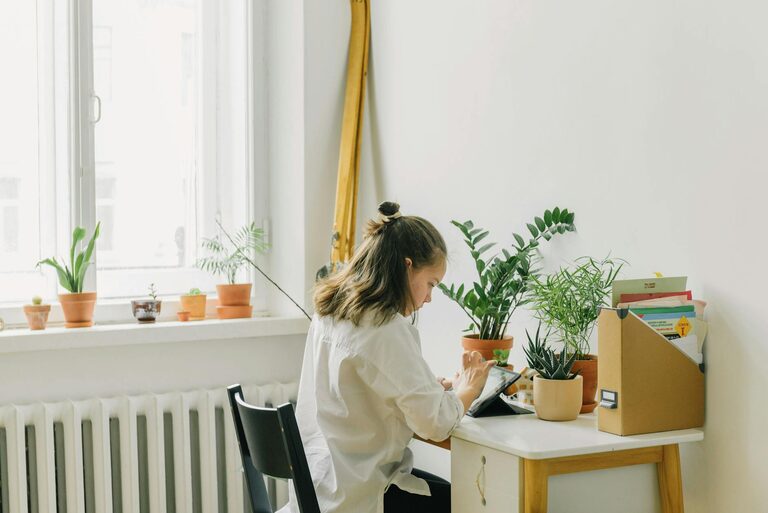
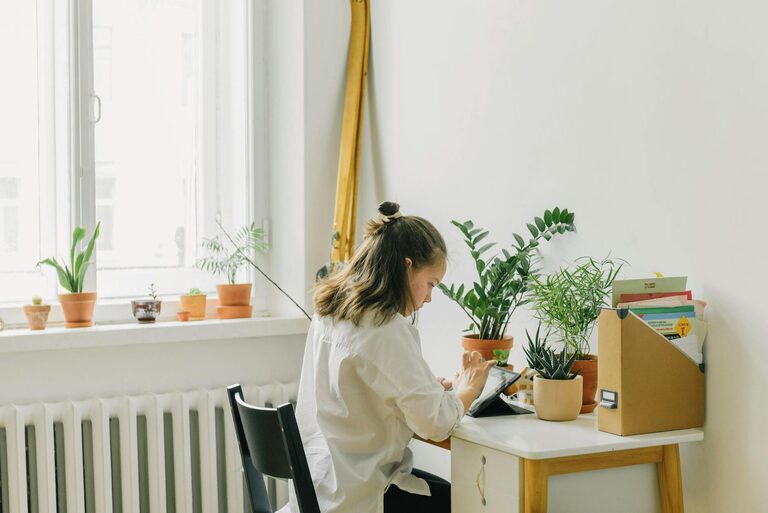
– Add houseplants: Plants improve air quality and add a touch of greenery.
– Use natural materials: Wood, stone, and textiles like cotton or linen enhance a sense of nature.
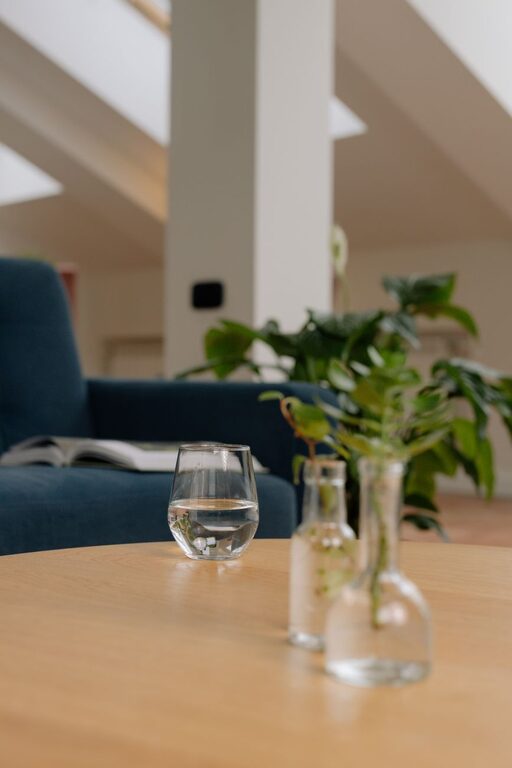
– Display flowers: Fresh or dried flowers bring colour and life to a room.
– Open windows: Let in fresh air whenever possible to rejuvenate your space.
Incorporating nature into your home can boost mood and relaxation.
Incorporate Calming Scents
Certain scents can encourage relaxation and reduce stress.
– Use essential oils: Scents like lavender, chamomile, and eucalyptus promote calmness.
– Diffusers and scented candles: These provide gentle fragrance without overpowering the space.
– Keep it subtle: Avoid overwhelming aromas which can cause discomfort.
A light, pleasant scent is a simple and effective way to enhance relaxation.
Create Quiet Zones
Noise can disrupt relaxation, so it’s important to manage sound levels.
– Choose quieter areas: Dedicate rooms or corners away from busy household traffic.
– Use soft furnishings: Carpets, cushions, and curtains absorb sound and reduce echo.
– Consider white noise: A small fountain or white noise machine can mask disruptive sounds.
– Set noise rules: Encourage respectful noise levels among household members.
Having peaceful spots lets you retreat from noise and recharge.
Personalise Your Space
Your home should feel like a true reflection of you.
– Display meaningful items: Personal photographs, artwork, or travel souvenirs provide comfort.
– Incorporate hobbies: Include a reading nook or crafting area to unwind.
– Use colours and styles you love: Make choices based on what genuinely makes you happy.
When your space resonates with your personality, it becomes naturally more relaxing.
Establish Calming Routines
Finally, a relaxing home is enhanced by how you use it. Establish routines that promote peace.
– Regular cleaning: A clean home is easier to relax in.
– Digital detox zones: Designate spaces where phones and other devices aren’t allowed.
– Mindful moments: Create opportunities for meditation, yoga, or simply sitting quietly.
– Set boundaries: Make time to enjoy your home without distractions or stress.
These habits maintain the calm atmosphere you create with your space.
—
Creating a relaxing home environment is a journey rather than a one-time task. By applying these simple tips step-by-step, your home can become a peaceful retreat where you enjoy comfort and serenity every day. Remember, the goal is to foster a space that feels welcoming and calm for you—and that’s achievable with thoughtful, manageable changes.