
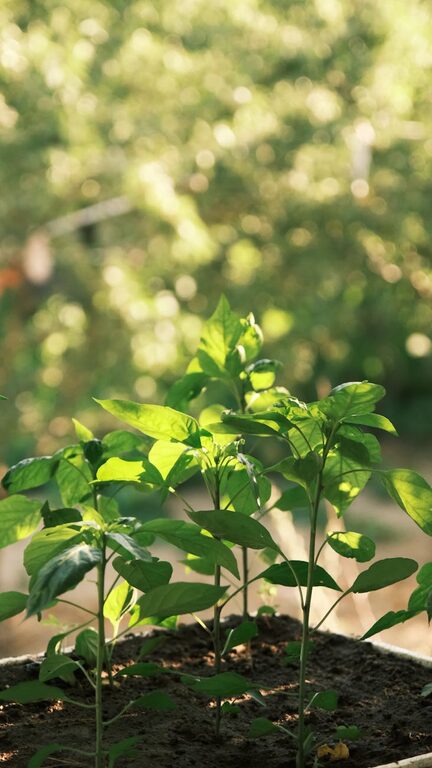
Creating a sustainable and eco-friendly home garden is a rewarding way to contribute to the environment while enjoying fresh produce, beautiful plants, and a peaceful outdoor space. Whether you have a large garden or just a small balcony, there are many simple steps you can take to reduce your environmental impact and support local wildlife.
In this post, we’ll explore practical tips to help you develop a garden that’s not just lovely to look at but also kind to the planet.
Why Choose a Sustainable Garden?
Sustainable gardening means designing and managing your garden in a way that conserves resources, supports biodiversity, and reduces waste. This approach helps:
– Save water
– Reduce chemical use
– Support local wildlife such as bees and butterflies
– Lower your carbon footprint
– Create healthier soil
Let’s look at how to achieve this in your own green corner.
Plan with Sustainability in Mind
Assess Your Space and Resources
Start by evaluating your available space, sunlight, and soil type. Knowing these factors helps you select plants suited to your garden’s conditions, reducing the need for extra watering or fertilisers.
Choose Native and Pollinator-Friendly Plants
Native plants are adapted to the local climate and soil, so they require less maintenance and support local wildlife better. Including flowers that attract bees, butterflies, and birds enhances biodiversity and strengthens the ecosystem in your garden.
Create Healthy, Nourishing Soil
Use Organic Compost
Instead of relying on chemical fertilisers, create your own compost from kitchen scraps and garden waste. Compost enriches the soil naturally and reduces waste sent to landfill.
Mulch to Conserve Moisture
Applying a layer of mulch around plants helps retain soil moisture, suppress weeds, and add organic matter as it breaks down.
Practice Crop Rotation and Companion Planting
If you grow vegetables, rotate crops each season to prevent soil nutrient depletion. Companion planting—growing mutually beneficial plants close together—can reduce pests and improve growth without chemicals.
Conserve Water Efficiently
Collect Rainwater
Use a water butt to collect rainwater for irrigation. Rainwater is free of chemicals, making it better for your plants.
Water Wisely
Water your garden during the early morning or late evening to avoid evaporation. Use drip irrigation or watering cans to apply water directly to roots rather than spraying leaves.
Choose Drought-Tolerant Species
In areas prone to dry spells, select plants that tolerate less water to keep your garden thriving with minimal watering.
Encourage Wildlife
Provide Habitats
Install bird feeders, insect hotels, or leave areas of wild plants and long grass to provide shelter for different species.
Avoid Pesticides and Herbicides
These chemicals harm beneficial insects and animals. Instead, use natural pest control methods such as introducing ladybirds or handpicking pests.
Reduce Waste and Reuse Materials
Upcycle Garden Containers
Old pots, crates, and household items can be repurposed as plant containers or garden decor, reducing waste and adding character to your garden.
Use Biodegradable Materials
Opt for biodegradable seed pots, twine, or plant labels that break down naturally instead of plastic alternatives.
Practice Sustainable Garden Maintenance
Mow Less Frequently
Leaving grass a bit longer and mowing less often encourages stronger growth and benefits insects that live in the lawn.
Prune Responsibly
Cut back plants at appropriate times to support flowering and health, but avoid over-pruning which can stress plants.
Maintain Tools Properly
Keep your gardening tools clean and sharp to extend their life and reduce the need for replacements.
Benefits of a Sustainable Garden
By embracing these practices, you’ll likely notice:
– Healthier plants and soil
– A vibrant space rich with wildlife
– Lower water and energy bills
– Reduced plastic and chemical use
– Greater satisfaction in creating a positive impact
Final Thoughts
Sustainable gardening is a journey rather than a destination. Even small changes can have a big impact over time. Start by choosing one or two new eco-friendly practices and build them into your routine.
Enjoy watching your garden flourish in harmony with nature while contributing to a healthier planet for future generations.
Happy gardening!