
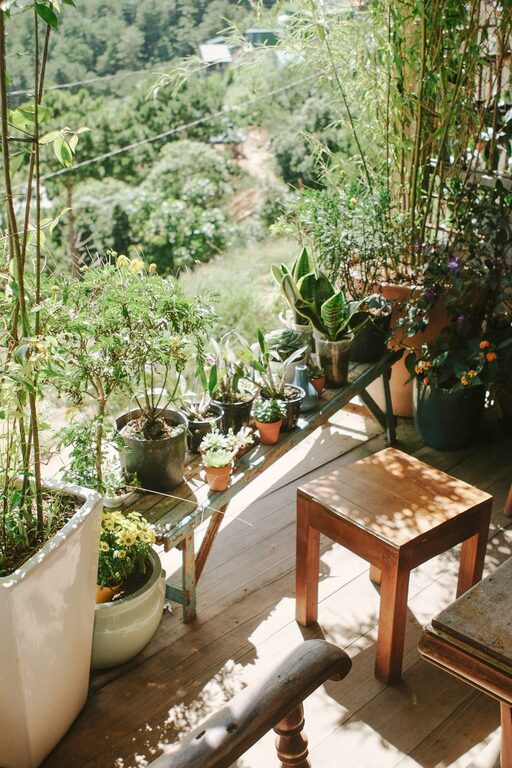
Creating a relaxing home garden space is a wonderful way to enjoy the outdoors and find a peaceful retreat without leaving your property. Whether you have a large backyard or a small patio, thoughtful design and a few simple additions can transform your garden into a tranquil sanctuary. This post offers practical tips on how to create a calming garden space tailored to your needs.
Why Create a Relaxing Garden Space?
Gardens are more than just places for plants to grow; they can be a refuge from everyday stresses. Spending time in a well-designed garden has been shown to improve mood, reduce anxiety, and encourage mindfulness. A relaxing garden invites you to unwind, connect with nature, and spend quality time with family or friends.
Planning Your Garden Space
Before planting or buying furniture, it’s essential to plan your garden’s layout and purpose.
Consider Your Available Space
– Measure your garden or outdoor area.
– Observe how much sunlight it gets throughout the day.
– Note any existing features such as trees, fences, or patios.
Define Your Goals
Do you want a space for reading, meditation, socialising, or gardening? Knowing your primary use helps guide your design choices.
Choose a Style
Your garden can reflect your personal taste, whether you prefer a minimalist look, cottage garden charm, or a zen-inspired retreat.
Key Elements for a Relaxing Garden
Making your garden a peaceful haven involves a combination of natural elements, comfortable spaces, and sensory experiences.
1. Comfortable Seating
– Opt for weather-resistant furniture such as wooden benches, rattan chairs, or a hammock.
– Add cushions and throws for softness.
– Place seating in shaded areas or where you can enjoy a good view.
2. Greenery and Plants
– Include a mix of plants with different colours, textures, and heights.
– Use hardy plants that are suited to your local climate for ease of care.
– Incorporate fragrant flowers like lavender or jasmine to stimulate the senses.
– Add some evergreen plants for year-round greenery.
3. Water Features
– Small fountains, birdbaths, or ponds introduce calming sounds.
– The gentle trickle of water can help mask background noise and create a soothing atmosphere.
4. Pathways and Borders
– Define areas with natural stone paths, gravel, or wooden decking.
– Borders help to create structure and separate different garden zones.
5. Lighting
– Soft, warm lighting extends your relaxation space into the evening.
– Solar lights, lanterns, or fairy lights create a cosy ambience.
– Avoid harsh or bright lighting that can disrupt the peaceful vibe.
Enhancing the Atmosphere
Adding thoughtful touches helps to personalise and elevate your garden’s relaxing qualities.
Sensory Elements
– Wind chimes provide gentle sounds.
– Plant herbs like mint or basil to stimulate your sense of smell and taste.
– Use textured materials such as smooth stones or soft moss for tactile appeal.
Privacy
– Use trellises with climbing plants or tall shrubs to create secluded areas.
– Privacy screens or fences help block out neighbours or street noise.
Maintenance and Simplicity
– Keep your garden tidy and clutter-free to reduce stress.
– Choose low-maintenance plants and features if you prefer less upkeep.
– Use mulch to control weeds and retain soil moisture.
Creating Zones for Different Activities
Divide your garden space into zones to suit various activities:
– A quiet nook with a comfortable chair for reading or meditation.
– A dining area with a table and chairs for meals and socialising.
– A planting zone where you can pot herbs or flowers.
This zoned approach maximises the usability of your garden and allows you to switch seamlessly between relaxation and activity.
Seasonal Considerations
Design your garden to be enjoyable all year round:
– Plant bulbs that bloom in different seasons.
– Include plants with interesting winter features like colourful stems or berries.
– Use garden furniture that can be covered or stored during colder months.
Final Thoughts
Creating a relaxing home garden space is a rewarding project that enhances your wellbeing and adds value to your home. By planning carefully, choosing elements that suit your lifestyle, and focusing on comfort and calm, you can build a garden sanctuary for daily enjoyment.
Remember that your garden is a personal space—feel free to experiment and adapt it over time to suit your evolving needs. With patience and care, your garden will become a cherished retreat, providing peace and pleasure throughout the seasons.