
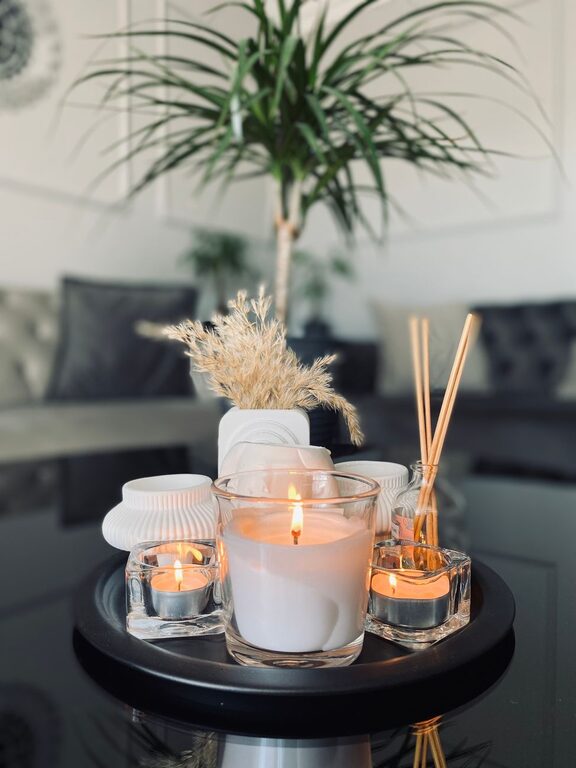
Creating a relaxing home environment plays a significant role in enhancing your overall well-being. With busy lives and frequent stress, having a sanctuary where you can unwind is more important than ever. The good news is that you don’t need to spend a fortune or remodel your entire space to make your home more calming and inviting. Small, thoughtful changes can lead to big improvements in how you feel at home. This article explores simple and effective ways to create a relaxing home atmosphere that supports your health and happiness.
Why a Relaxing Home Environment Matters
Your home should be a refuge from the pressures of daily life. When your surroundings contribute to stress, it becomes harder to relax, sleep well, or enjoy time with family and friends. A peaceful home:
– Helps reduce anxiety and stress levels
– Supports better sleep quality
– Encourages positive moods and mental clarity
– Promotes feelings of safety and comfort
By intentionally designing your space to be more soothing, you enhance your capacity to rest, recharge, and improve your overall well-being.
Declutter for Calm
One of the easiest and most impactful ways to create a relaxing environment is to reduce clutter. Clutter can be distracting and overwhelming, making it difficult to relax.
Tips to declutter effectively:
– Sort items into three piles: keep, donate, and discard.
– Keep surfaces clear and store items out of sight.
– Regularly reassess spaces to prevent clutter build-up.
– Use practical storage solutions like baskets, boxes, or shelves.
A clearer space often leads to a clearer mind, making your home feel more restful.
Choose Soothing Colours
Colours influence mood and energy levels. For a relaxing home, consider choosing a calm and neutral colour palette, which can help soothe your mind.
Good colour choices include:
– Soft blues and greens, often associated with nature and tranquillity.
– Warm neutrals like beige, cream, and soft greys for a cosy feeling.
– Muted pastels for a gentle, uplifting atmosphere.
Avoid overly bold or bright colours in spaces meant for relaxation, such as bedrooms or living areas.
Bring Nature Inside
Incorporating natural elements into your home decor is a wonderful way to create calm.
Easy ways to include nature:
– Add houseplants to purify the air and add greenery.
– Use natural materials such as wood, stone, or cotton in furnishings.
– Place fresh flowers in vases for colour and fragrance.
– Let in natural light by keeping windows clean and using light curtains.
These touches connect you with nature, which is known to enhance mood and reduce stress.
Create Comfortable Zones
Having designated areas to relax can improve your well-being and encourage restful habits.
Ideas for comfy relaxation zones:
– A reading nook with a soft chair, good lighting, and cosy blankets.
– A meditation or yoga corner with cushions or mats.
– A calming bathroom space with scented candles and soft towels.
Ensure these zones are uncluttered and designed for comfort, helping you feel at ease.
Use Soft Lighting
Harsh overhead lights can be jarring and disrupt relaxation. Instead, choose soft, warm lighting that creates a cosy atmosphere.
Lighting tips include:
– Use table lamps and floor lamps with warm bulbs.
– Consider dimmer switches for adjustable lighting.
– Add fairy lights or candles for gentle illumination.
– Use blackout curtains to block unwanted outside light, aiding better sleep.
Soft lighting helps signal to your brain that it’s time to unwind.
Incorporate Calming Scents
Aromas can powerfully affect mood and promote relaxation.
Try these calming scents:
– Lavender, known for its stress-relieving qualities.
– Chamomile, which helps with restful sleep.
– Eucalyptus, which refreshes and clears the mind.
– Vanilla, bringing warmth and comfort.
Use essential oil diffusers, scented candles, or potpourri to softly scent your home.
Play Soothing Sounds
Background noise can either add to stress or enhance calmness. Consider introducing peaceful sounds to your home environment.
Suggested sounds:
– Nature sounds like rain, ocean waves, or birdsong.
– Soft instrumental or classical music.
– White noise machines to mask disruptive sounds.
Choose sounds that you find personally comforting.
Maintain a Comfortable Temperature
Temperature can greatly influence your comfort and ability to relax.
Tips for ideal temperature:
– Keep your home at a comfortable, consistent temperature.
– Use fans or air conditioning during warmer months.
– Use heaters or extra blankets in the colder months.
– Ensure good ventilation for fresh air.
Thermal comfort helps you feel snug indoors.
Incorporate Personal Touches
Finally, surround yourself with items that bring you joy and peace. Personal mementos, photographs, artwork, and favourite books can make your home feel unique and nurturing.
Be mindful to:
– Display meaningful objects in an uncluttered way.
– Rotate or refresh items regularly to keep the space feeling lively.
– Avoid overcrowding where too many things compete for attention.
Personalising your environment supports emotional well-being.
Final Thoughts
Creating a relaxing home environment is about mindful choices that foster calm, comfort, and happiness. By decluttering, choosing soothing colours, embracing nature, and using gentle lighting and scents, you can transform your home into a peaceful haven. These simple steps help reduce stress, improve sleep, and nurture your overall well-being. Start with small changes today and enjoy the benefits of a more restful, welcoming home.
Remember, your home should work for you — a place to relax, recharge, and feel truly at ease.